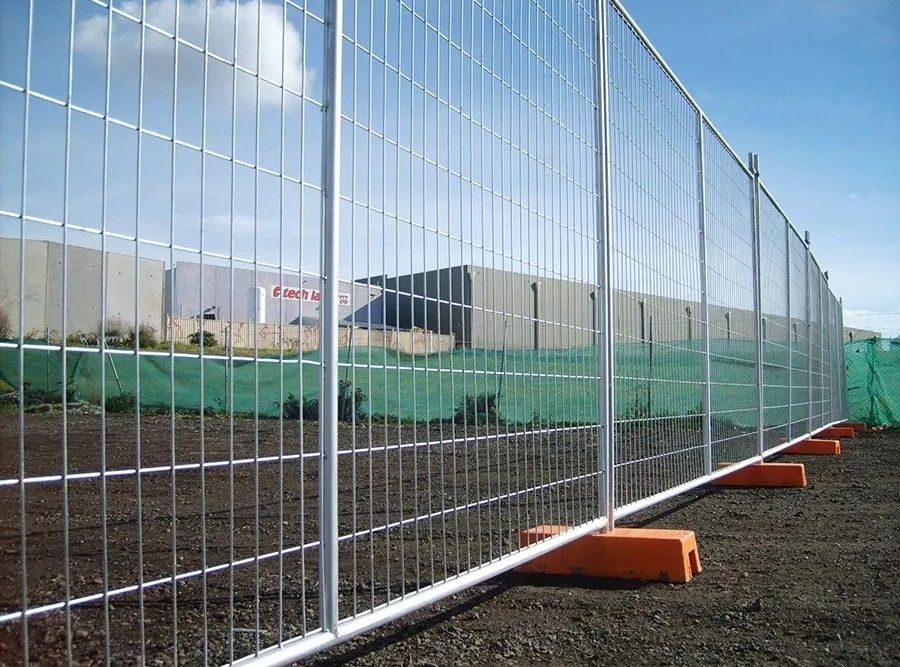
Temporary fencing plays a critical role on construction sites. It protects workers, keeps the public safe, prevents theft, and helps projects stay organized. Whether you’re building a new home, remodeling a property, or managing a large commercial project, careful planning is essential before installing temporary fencing.
Without proper planning, temporary fences can cause delays, safety risks, and compliance issues. With the right approach, they become a powerful tool that improves site safety, efficiency, and workflow.
This guide covers everything contractors and builders should know to plan temporary fencing the right way.
Why Temporary Fencing Is Essential on Job Sites
Construction zones are full of hazards. Heavy machinery, open trenches, tools, and building materials create risks for workers and the public. Temporary fencing creates a clear boundary that reduces accidents and controls site access.
Key benefits include:
- Improved worker safety
- Protection from unauthorized entry
- Reduced theft and vandalism
- Better site organization
- Legal compliance
Well-planned fencing supports safer, smoother operations from start to finish.
Understanding Local Rules and Safety Requirements
Before setting up any fencing, it’s important to check local regulations. Most cities and counties require construction sites to follow strict safety guidelines.
These often include:
- Minimum fence height
- Approved fence materials
- Required signage placement
- Emergency access points
- Setback distances
Failing to meet local requirements can result in fines, project delays, or forced fence modifications. Planning ahead ensures full compliance.
Choosing the Right Type of Temporary Fence
Not all construction sites have the same needs. Fence selection depends on project size, location, duration, and security level.
Common Temporary Fence Types
- Chain-link panel fencing – Strong, reusable, and widely accepted
- Welded wire fencing – Lightweight and easy to install
- Plastic safety fencing – Ideal for light-duty applications
- Barricade fencing – Used for pedestrian control
For most contractors, modular panel fencing provides the best mix of strength, flexibility, and security.
Site Layout Planning: Start With the Big Picture
Before installation, walk the job site and plan the fencing layout carefully.
Important questions to ask:
- Where are the main access points?
- How will vehicles enter and exit?
- Where should pedestrians be redirected?
- Are there emergency exit requirements?
Mapping these areas early helps avoid costly repositioning later.
Proper Gate Placement for Efficiency
Gates play a major role in daily site operations. Poor gate placement can create traffic jams and safety hazards.
Gate Planning Tips:
- Install separate vehicle and pedestrian gates
- Place gates near delivery zones
- Allow enough space for turning trucks
- Avoid blocking sidewalks and streets
Well-placed gates improve flow while maintaining secure access control.
Security Considerations for Construction Sites
Theft is one of the biggest challenges contractors face. Tools, materials, and machinery are valuable targets.
Temporary fencing helps deter:
- Equipment theft
- Material loss
- Vandalism
- Trespassing
Many contractors rely on construction site temporary fence solutions that improve safety and control, such as lockable gates, security screening, and monitored entry points.
Planning for Changing Project Phases
Construction projects evolve over time. What works in week one may not suit later phases.
Plan fencing layouts that can adjust as:
- Foundations are completed
- Framing begins
- Exterior finishes start
- Landscaping work begins
Modular fence systems allow easy repositioning without full reinstallations, saving time and labor.
Maintaining Clear Emergency Access
Emergency access must never be blocked. Fire lanes, medical entry points, and emergency exits should remain clearly visible and accessible.
Important practices include:
- Keeping access gates unlocked during working hours
- Posting emergency contact signage
- Maintaining clear fire department access paths
This ensures safety while meeting regulatory requirements.
Weather Considerations in Temporary Fence Planning
Weather impacts fence stability and safety.
Key risks include:
- High winds
- Heavy rain
- Snow accumulation
- Soft or muddy soil
Fence posts must be properly weighted or anchored to prevent tipping. Regular inspections help catch issues early before accidents occur.
Installation Best Practices for Stability
Even temporary fences require proper installation.
Best practices include:
- Level ground preparation
- Proper panel connections
- Secure base placement
- Regular stability checks
Contractors often benefit from professional fencing installation for active construction projects, ensuring fences remain safe and reliable throughout the build.
Managing Pedestrian Safety Around Job Sites
Construction zones often exist near sidewalks, homes, and public buildings. Temporary fencing protects passersby by clearly marking danger zones.
Helpful strategies:
- Use high-visibility fencing
- Install safety signage
- Create clear pedestrian pathways
- Add reflective markings for nighttime visibility
These measures reduce liability while protecting the public.
Reducing Liability and Insurance Risks
Accidents on unsecured job sites can result in costly legal claims. Temporary fencing lowers this risk by restricting unauthorized access and guiding movement safely.
Benefits include:
- Lower injury risk
- Reduced legal exposure
- Improved insurance compliance
- Enhanced project reputation
This makes fencing an essential part of risk management.
Budgeting for Temporary Fencing
While temporary fencing is an added expense, it helps prevent larger losses.
Costs depend on:
- Site size
- Fence type
- Project duration
- Gate requirements
- Installation complexity
Including fencing in early project budgets avoids surprise expenses later.
Coordinating Fence Removal and Transitions
Fence removal is just as important as installation. Poor timing can disrupt workflow or expose hazards.
Plan removal based on:
- Project milestones
- Final inspections
- Landscaping phases
- Equipment demobilization
Well-timed fence removal ensures smooth project completion.
Final Thoughts
Temporary fencing is more than a basic requirement. It’s a vital safety and management tool that supports efficient construction operations.
With thoughtful planning, proper installation, and ongoing adjustments, contractors and builders can maintain secure, organized, and productive job sites. Temporary fencing protects workers, safeguards materials, and ensures compliance — all while keeping projects on track.
By treating fencing as part of the overall project strategy, builders can reduce risks, improve workflow, and deliver better outcomes.