Basaltic Farms has published a comprehensive commercial garlic farming guide covering profitability, variety selection, and scaling strategies for growers entering the domestic garlic market. The resource draws on six years of experience in certified organic production.
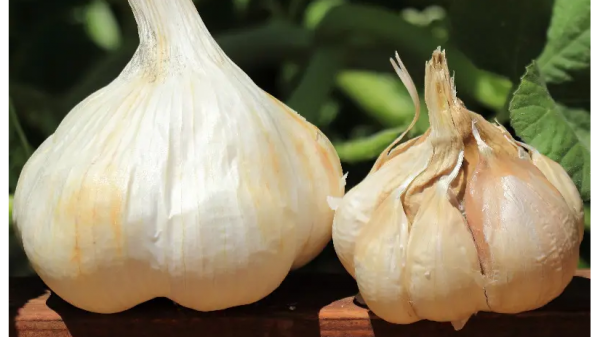
-- Basaltic Farms, a CCOF and USDA-certified organic garlic farm based in McArthur, California, has released a detailed commercial garlic farming guide to help new and established growers navigate the economics of domestic garlic production.
The guide arrives at a time when American garlic consumption has tripled since 1980, reaching approximately 2.5 pounds per person annually. Despite growing demand, domestic production covers only 24,000 to 26,000 acres each year — roughly 90 percent of which sits in California — leaving the United States as the world's largest garlic importer. According to Penn State Extension research, the majority of imported garlic arrives from China, followed by Spain, Mexico, and Argentina.
That gap between domestic supply and consumer demand represents a significant opportunity for commercial growers, particularly those willing to pursue organic certification and premium sales channels.
The Basaltic Farms guide breaks down the profitability of garlic farming across multiple scales. According to the resource, well-managed operations can generate net profits ranging from $5,000 to $40,000 per acre, depending on the sales channel and production scale. Seed garlic buyers represent the highest-value segment, paying ten to twenty-five dollars per pound compared to wholesale rates of two to four dollars per pound.
Small-scale operations under two acres, selling directly to consumers through farmers' markets and online channels, can gross $16,000 to $60,000 per acre, with profit margins of 40 to 70 percent once systems are established. Medium-scale farms operating on two to ten acres and using mixed sales channels typically see net margins of 35 to 55 percent.
The guide emphasizes that variety selection is one of the most consequential decisions a commercial garlic grower will make. Hardneck garlic seed varieties such as Music and German White command premium prices and produce garlic scapes as a bonus crop worth eight to fifteen dollars per pound. Softneck garlic seed varieties, including Inchelium Red and Nootka Rose, offer superior storage life of eight to twelve months, making them better suited for retail and wholesale distribution.
One section that stands out addresses the real costs involved. First-year seed garlic alone can run eight thousand to more than sixty thousand dollars per acre, depending on variety and spacing — a figure that catches many new growers off guard. The guide recommends saving 30 percent or more of each harvest as seed stock, which significantly improves economics in subsequent years.
Certified organic garlic seed production is given particular attention in the resource. Certified organic garlic commands two to three times the price of conventional garlic, and the guide argues that the premium more than compensates for the additional labor involved. However, it does not shy away from the reality of organic production — growers should plan for 50 to 100 or more hours per acre of hand weeding, which the guide identifies as the single biggest labor challenge in organic garlic farming.
The publication also covers practical production details including crop rotation protocols, planting depth by climate zone, irrigation scheduling, fertilization timing, and harvest indicators. A section on sulfur management highlights how garlic requires two to three times more sulfur per ton of crop than cereal crops, referencing University of Georgia Extension research. Sulfur-deficient garlic produces bland bulbs that will not fetch premium prices regardless of how well everything else is managed.
Beyond fresh bulbs, the guide touches on value-added products as a strategy for addressing seasonality challenges. Products such as certified organic freeze dried garlic and fermented honey garlic allow farms to generate revenue year-round rather than relying solely on the summer harvest window. Basaltic Farms also offers an organic garlic growing kit designed for home gardeners looking to start small before scaling up to commercial production.
Zack Schallert, who leads growing operations at Basaltic Farms, compiled the guide from six years of hands-on commercial garlic production at the farm's 3,100-foot elevation site in volcanic soil containing 67 trace minerals. The operation holds triple certification through CCOF, USDA Organic, and the Real Organic Project.
Content strategy developed in partnership with top national digital marketing agency ASTOUNDZ.
Contact Info:
Name: Zack Schallert
Email: Send Email
Organization: Basaltic Farms
Address: 641200 Beck Elliot Lane, McArthur, CA 96056, United States
Website: https://basalticfarms.com/
Source: NewsNetwork
Release ID: 89184965
In case of encountering any inaccuracies, problems, or queries arising from the content shared in this press release that necessitate action, or if you require assistance with a press release takedown, we urge you to notify us at error@releasecontact.com (it is important to note that this email is the authorized channel for such matters, sending multiple emails to multiple addresses does not necessarily help expedite your request). Our responsive team will be readily available to promptly address your concerns within 8 hours, resolving any identified issues diligently or guiding you through the necessary steps for removal. The provision of accurate and dependable information is our primary focus.