The so-called “sexy” parts of the economy are starting to be viewed with a little more of a skeptical eye by many investors. I doubt that's a controversial statement to make, considering the unwind we're seeing in some key trades. Whether it's artificial intelligence, software stocks (being hit by the rise of AI), or a plethora of other high-growth sectors that may be at or near all-time highs (both in terms of stock price and valuation), these are companies that some market participants appear to be viewing as too risky to invest in.
That said, some analysts and experts are touting other key names, which may have less exposure to the aforementioned growth trends, as outliers as a way to play an “anti-AI” trade. Analysts from Wells Fargo put forward an interesting thesis I think is worth diving into, in which Dollar Tree (DLTR) and Five Below (FIVE) have been highlighted as beneficiaries of not only this macro portfolio shift but also a beneficiary of recent tariff developments (specifically, the Supreme Court's recent striking down of the vast majority of President Trump's tariffs).
Let's dive in.
Why Does This Current Environment Favor These Specific Stocks?
Wells Fargo analyst Edward Kelly and others on his team highlighted the reality that less uncertainty and volatility stemming from future tariff decisions could be a big net positive for key retailers that rely on global supply chains to function. Dollar Tree's discount retail model and Five Below's similar model have come under scrutiny with the rise of tariffs, given the implicit negative impacts these tariffs have had on analysts' projections of future cash flow growth over time.
Since stocks are supposed to be valued as the sum total of all future free cash flows generated over time, any sort of stabilization on the amount these importers and retailers will need to pay up front could result in a re-rating higher more broadly. It does appear to be the case that some analysts are moving in this direction (more on that later). However, I'd argue that the sentiment and direction retail investors are heading with these two names could be even more pivotal, given the broad investor base both companies enjoy.
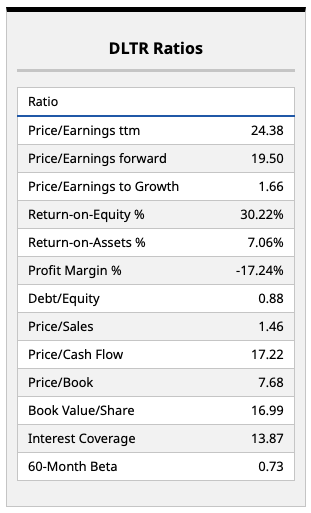
In the chart above, I've put Dollar Tree's underlying fundamentals. Below, we can look at those of Five Below. At first glance, I think the most recognizable similarity between the two companies' respective fundamentals is the reality that both have price/sales ratios in and around the 2-times level. In fact, averaging out both stocks, investors can gain exposure to a small-scale portfolio averaging around that level. In this environment, that's challenging to do.
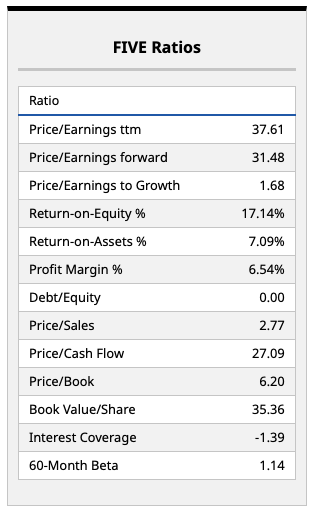
I also think each company's return on equity metrics, which are well into the double-digit territory, stand out to me as key indicators that these are companies that are doing good things with investor capital and reinvesting into the key parts of their businesses that should deliver growth for many years to come.
The removal of at least some of the tariff headwinds facing both companies should be a big net positive for quite some time. Accordingly, I maintain that the Wells Fargo analysts penning this piece have hit the nail on the head with their analysis. These are solid operators in a sector that's starting to get some sunshine from the overall market. Thus, if this trend continues, there's a lot to like about these companies' respective upside potential.
With that in mind, let's take a look at what other market experts think of each company's upside from here over the next year or so.
What Does Wall Street Think of These Names?
The bad news for investors considering these stocks is that Wall Street analysts do not broadly appear to have a similar view to Mr. Kelly. The consensus price targets on both Dollar Tree and Five Below imply upside of around -4.2% and 1.4%, respectively (charts below).
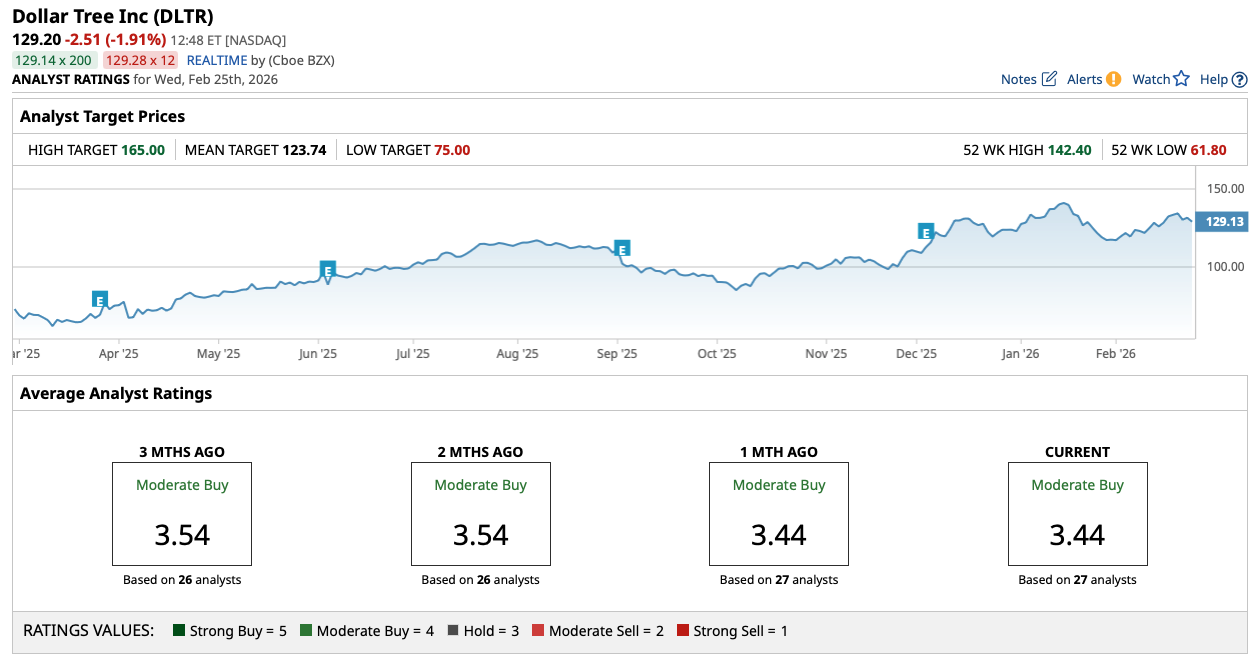
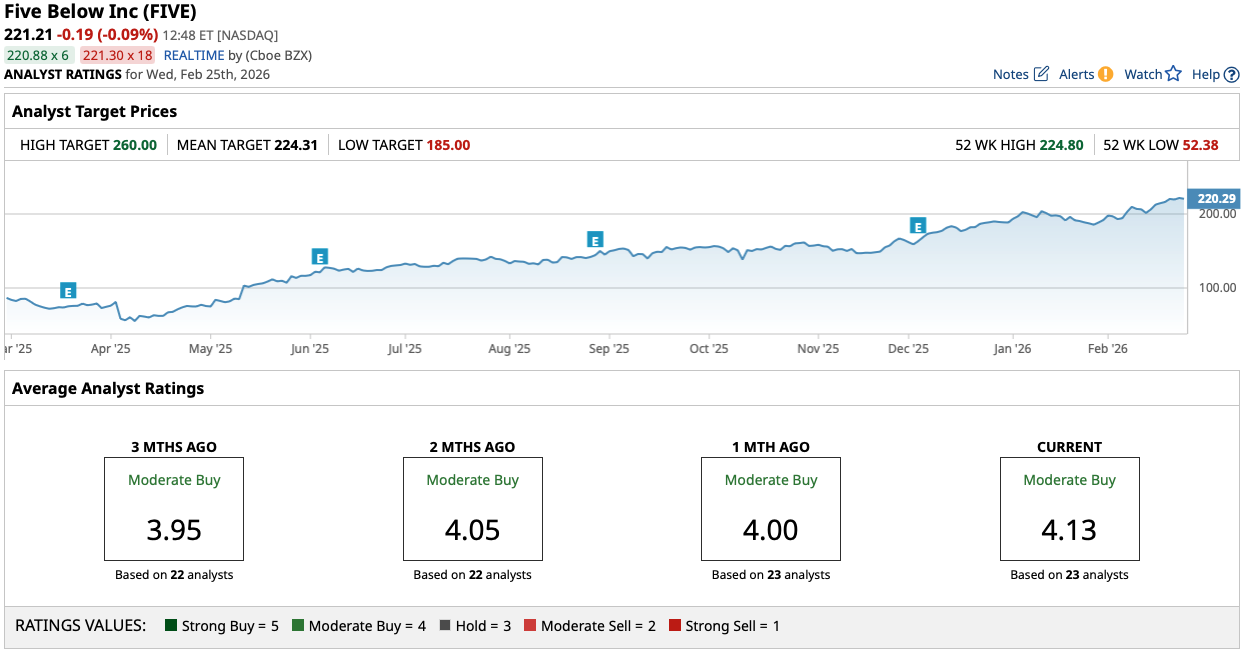
These implied forward valuations suggest that these stocks are both relatively fairly priced and don't price in much in the way of any upside at all for investors looking to put fresh capital into both positions today.
That's where the research Wells Fargo and others are putting out could change the game. If more investors decide to take an increasingly skeptical or contrarian view on certain names, these are two stocks I think could have significant upside in the current macro environment. That's my two cents, for what it's worth.
On the date of publication, Chris MacDonald did not have (either directly or indirectly) positions in any of the securities mentioned in this article. All information and data in this article is solely for informational purposes. For more information please view the Barchart Disclosure Policy here.
More news from Barchart
- Michael Burry Still Doesn’t Understand Google’s AI Spending. Should You Ditch GOOGL Stock Here?
- As the Supreme Court Shakes Up Trump Tariffs, Wall Street Thinks You Should Buy These 2 Stocks Now
- S&P Futures Slip Amid Risk Aversion, U.S. PPI Data on Tap
- Love Dividends? 1 Stock to Buy Now With a Yield Over 6%.